
Why you need to turn off Apple AirDrop and Android Quick Share right now
Three new vulnerabilities have just been discovered in the tech giants' seamless file-sharing features, turning a community-building tool into a remote-crash target.
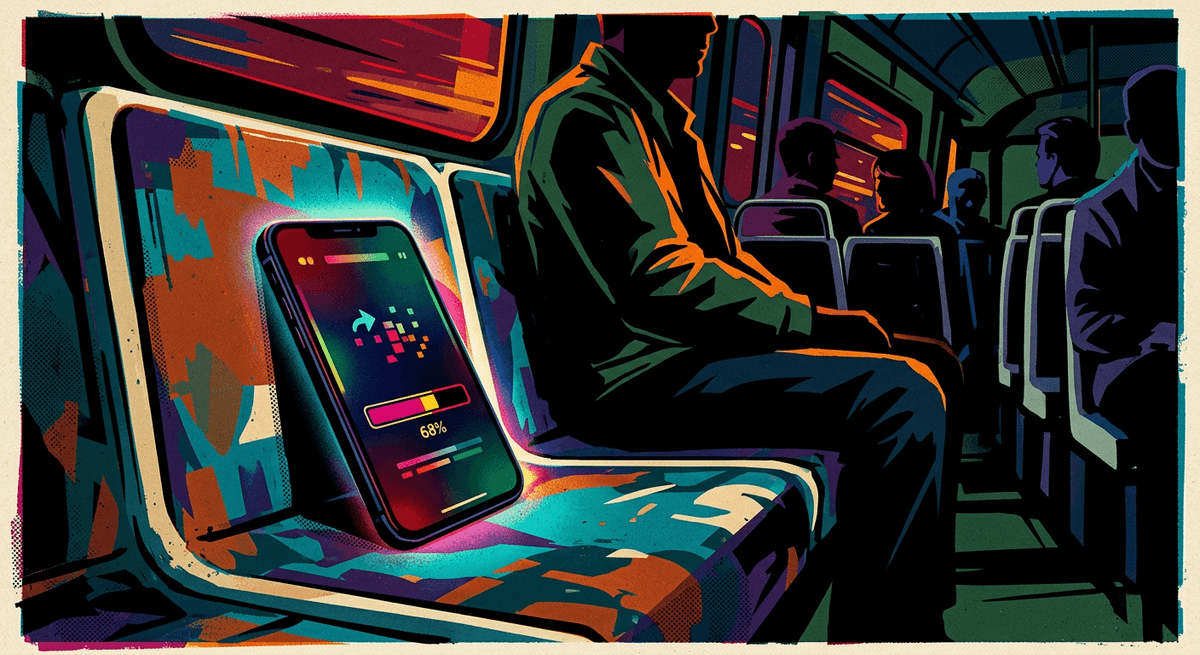
The dream of the frictionless digital commute is taking a beating this morning. Security researchers have just disclosed three separate vulnerabilities in Apple’s AirDrop, alongside a companion set of flaws in Android’s Quick Share. If you currently have your phone set to accept files from absolutely anyone nearby, you are effectively participating in a live, involuntary beta test of your own device's stability. Apple and Google are already rolling out fixes, but for the moment, the open airwaves are an easy target.
What is actually happening
The vulnerabilities target the exact mechanism that makes these features feel like magic: the silent, background handshakes devices make when they look for nearby friends. Instead of merely facilitating the transfer of a lunch receipt or a contact card, the current flaws allow an attacker with a laptop to trap your phone in a loop of service crashes. It is the perennial problem of building a digital door that opens instantly for anyone holding the right type of phone. Eventually, someone figures out how to jam the lock.
The illusion of digital altruism
This forces a reckoning with why we leave these proximity features on in the first place. The 'airdrop' phenomenon, while seemingly altruistic—the joy of beaming a joke to a stranger on a flight, the seamless sharing of a group photo—often conceals strategic marketing and community-building efforts by the tech giants. AirDrop and Quick Share are not public utilities; they are the ultimate ecosystem moats. They are designed to make you feel isolated if you hold the wrong brand of rectangle, building a walled garden that masquerades as an open plaza.
The speculative value of being reachable
With the discovery of these active exploits, the value proposition for recipients remaining open to the public is highly speculative. Historically, leaving your AirDrop open to everyone meant risking an unsolicited picture of a stranger’s anatomy on the subway. Today, it means handing a complete stranger the ability to remotely crash your sharing services on command. The transaction has fundamentally changed from a social nuisance to a targeted denial of service.
The patches are already arriving, and the ecosystem will eventually seal itself back up. But the vulnerabilities are a useful, quiet reminder that friction exists for a reason. Sometimes, the inability to magically receive a file from the person sitting across from you is not a technical failure. It is a feature.
Related stories

The Claude AI chat exposure is a reality check for the integration of smart systems
Private conversations with Anthropic's Claude AI, including resumes and medical histories, have surfaced in search engine indexes. It is a stark reminder of the gap between sophisticated models and secure systems.

ChatGPT outages and security incidents expose enterprise integration limits
A series of infrastructure failures and security vulnerabilities has underscored the difficulty of moving generative AI into mission-critical business operations.

The iPhone 18 Pro and the quiet comedy of the perpetual upgrade
We are already dissecting the speculative specs of a phone that doesn't exist yet. It's not about the hardware; it's about our endless need for a clean slate.