
Europe's largest battery manufacturing initiative collapses into liquidation and US acquisition
The dismantling of the continent's premier project to build an independent supply chain marks a critical setback for its green transition and industrial sovereignty.
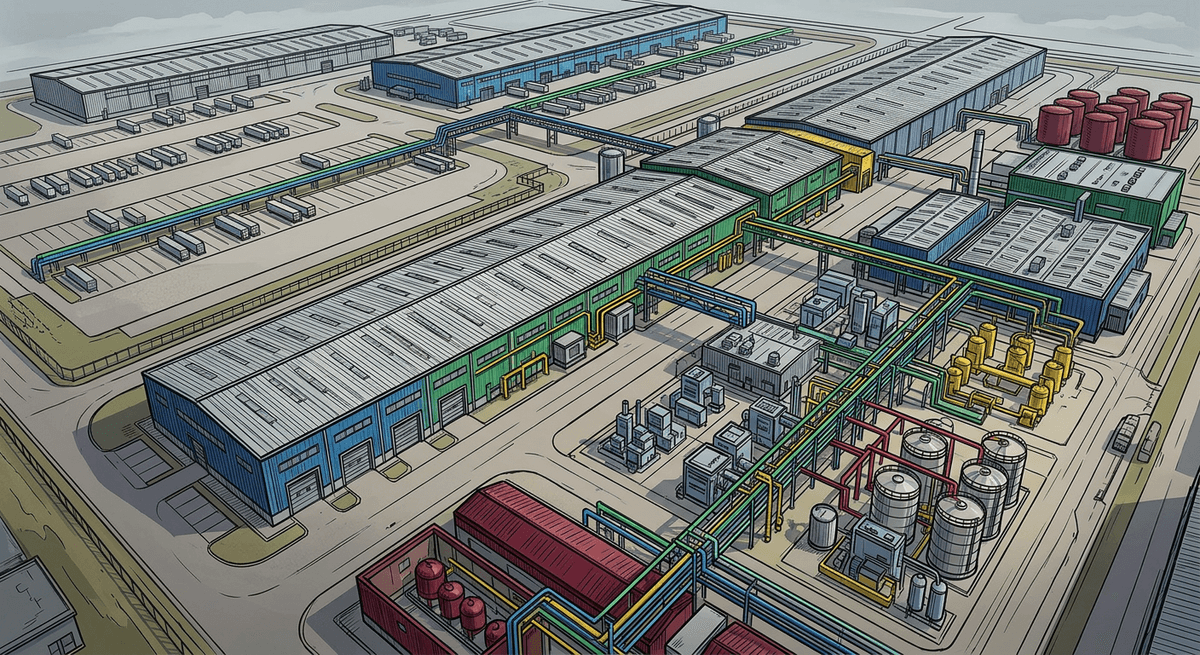
Europe's largest initiative to establish an independent battery manufacturing sector has reportedly entered liquidation, with its core assets being divided and acquired by American buyers. According to emerging reports, the collapse involves an estimated 15 billion in raised capital and 6 billion in liabilities. The dismantling of the project marks the abrupt end of a highly capitalized effort to build a regional supply chain capable of operating without reliance on Chinese infrastructure.
The development represents a structural setback for European industrial policy, which had positioned domestic battery production as the cornerstone of its green transition. Policymakers had heavily backed the initiative to secure economic sovereignty by 2030, anticipating a vast internal market for electric vehicle components. That ambition is now facing intense scrutiny as the most prominent vehicle for its delivery is absorbed by foreign capital.
Industry analysts have long noted that the continent's broader battery sector operates under severe and mounting pressures. Despite significant state and private investment, European manufacturers have struggled with the slow scaling of domestic production facilities. This structural delay has been compounded by a continued reliance on imported critical technology and raw materials, leaving regional projects highly vulnerable to external market shifts.
Concurrently, the sector has faced fierce competition from established Asian manufacturers, who possess deeply integrated supply chains and significant economies of scale. The inability of Europe's premier initiative to withstand these market forces indicates a widening gap between the continent's legislative climate goals and its current industrial realities. The transfer of these facilities to American ownership further alters the balance of global green technology infrastructure.
Details regarding the precise distribution of the liquidated assets remain fluid as the acquisition proceeds. However, the immediate dissolution of the project leaves the European Union facing profound questions about the viability of its electrified transport timeline and the future framework for state-backed technological independence.
Related stories

Emmanuel Macron uses final Bastille Day to signal stronger military stance on Ukraine
At his tenth and last national day parade, the French president showcases European unity and the 'Coalition of the Willing' alongside key allies.

Ukraine war: EU moves to cut Venice Biennale funding as the cultural toll mounts
The European Commission has recommended terminating a €2 million grant over Russia's participation in the 2026 exhibition, as military strikes continue across vital infrastructure.

France summons Russian ambassador over alleged cyber sabotage campaign
Coordinated sanctions and formal diplomatic protests from European capitals reveal how digital warfare has become deeply entangled with traditional statecraft.