
US declines immediate USMCA extension, triggering ten-year trade review
The decision shifts the North American trade pact into a period of annual reviews rather than securing an immediate 16-year renewal.
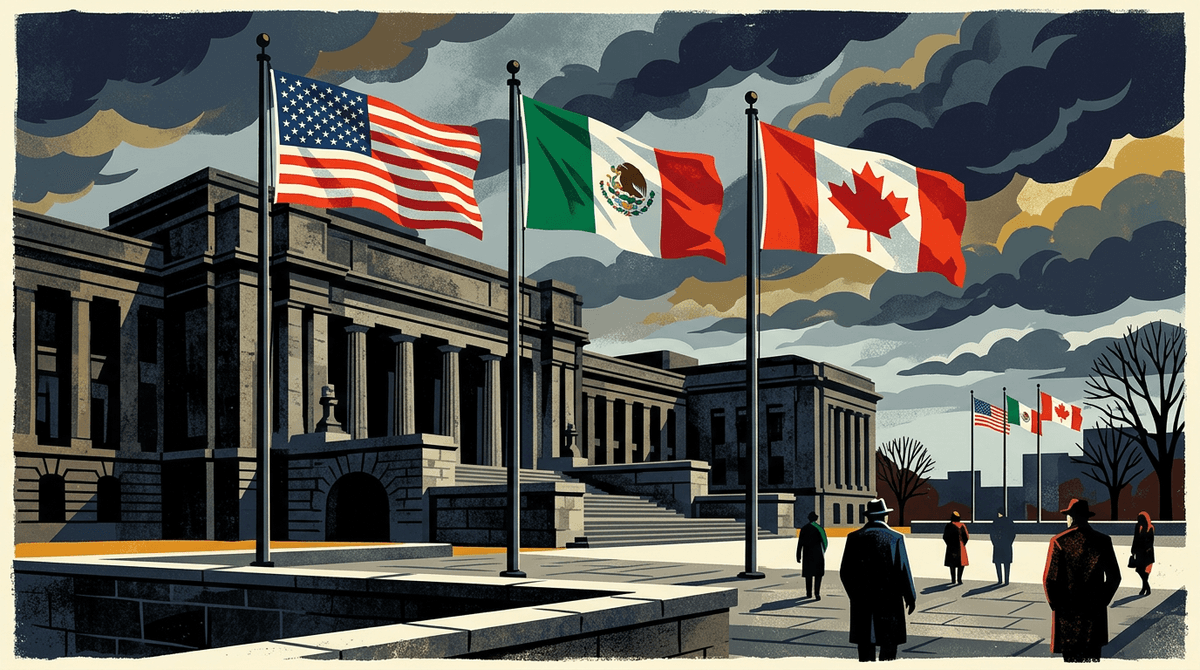
The United States government has announced its intention not to confirm a 16-year extension of the United States-Mexico-Canada Agreement, according to multiple reports. The decision, which coincides with the pact's first mandatory six-year review beginning July 1, initiates a decade-long countdown and negotiation process for the North American trade framework.
Under Article 34.7 of the USMCA, the three participating nations are required to formally assess whether to extend the agreement or allow it to enter a period of annual reviews. By declining the immediate extension, the Trump administration shifts the treaty's operational status from a settled long-term arrangement to an ongoing, multi-year evaluation.
This declaration does not result in the immediate termination of the agreement. Instead, it triggers a structural mechanism designed to mandate continuous negotiation over the next ten years. During this period, the United States, Mexico, and Canada are permitted to propose amendments and debate the terms of the current trade framework before the treaty officially expires.
The policy move alters the baseline of North American trade stability. Since its implementation, the USMCA has governed cross-border commerce under the assumption of long-term continuity. The transition to annual reviews establishes a persistent requirement for active diplomatic consensus and regular adjustments among the three member states.
As the mandatory review period officially opens, trade representatives from all three nations face a newly established timeline. The diplomatic focus now moves to the procedural mechanics of the annual assessments, which will govern how the participating governments manage North American supply chains and tariffs over the coming decade.
Related stories

Nirmal Purja, celebrated mountaineer, confirmed dead in Pakistan avalanche
The British-Nepali climber and members of his expedition died after an avalanche struck their team at 6,600 metres on Broad Peak.

Javier Milei and the rise of the influencer presidency
By treating Argentina's highest office as a high-octane media platform, the president has turned governance into a permanent, online cultural performance.

France and Southern Europe Battle Destructive Summer Wildfires
Prolonged heatwaves and severe drought fuel blazes across France, Spain, and Italy, forcing widespread evacuations and straining emergency response infrastructure.