
The shattered concrete and unbreakable soul of La Guaira
The Venezuelan port state is currently defined by fractured masonry and desperate rescues. But beneath the dust lies a cultural legacy built entirely on survival.
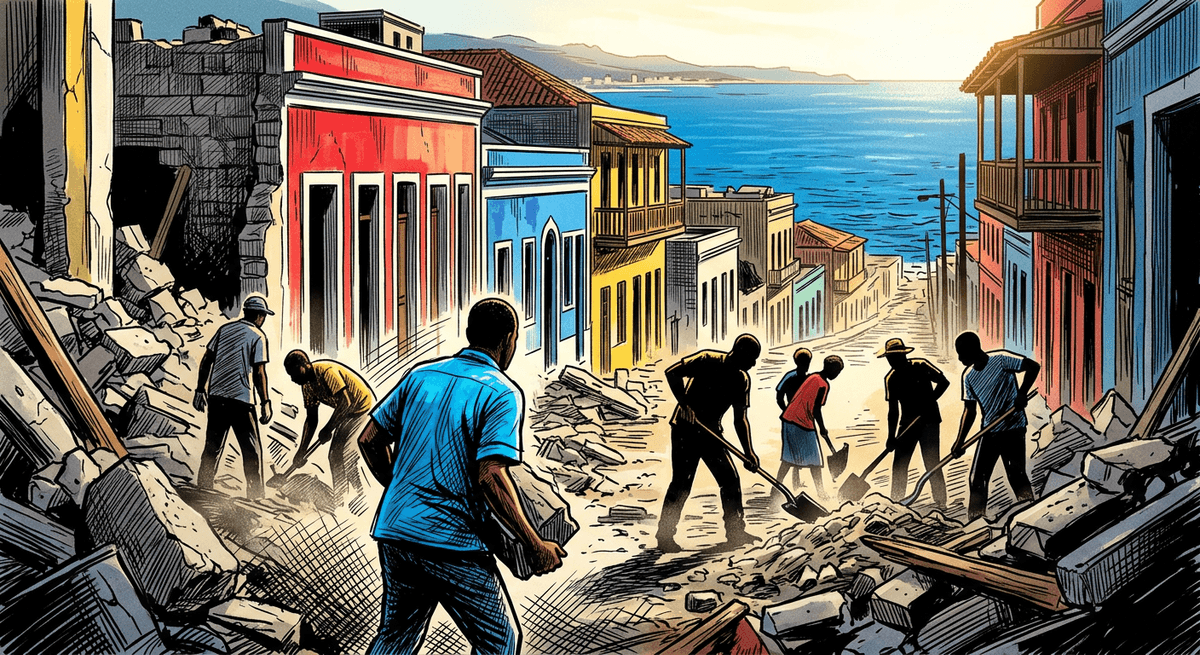
A mother and her nine-month-old baby, pulled alive from the wreckage by international rescue teams. A father and son, hauled back into the blistering coastal light after four days buried in the dark. These are the fractured miracles coming out of La Guaira this week. The Venezuelan state is currently a landscape of broken architecture and agonizing waits, a place where families are forced to claw at the ruins of their own streets while the heavy machinery lags behind. The earth violently cleared its throat, and the coast shattered.
But to look at this coastline merely as a ground zero is to entirely miss the rhythm of its blood. La Guaira is, fundamentally, a port. Its entire historical legacy is built on the violent, vibrant friction of arrival, departure, and endurance. This is the great colonial gateway, a cultural tapestry woven from centuries of saltwater, trade, and the sheer grit required to stand at the edge of the Caribbean and take whatever the ocean—or the earth—throws at it.
You can see that old, stubborn adaptation kicking in right now. The official channels broadcast the sterile, bureaucratic metrics of recovery: seventy-five percent of the electricity forcibly willed back into the grid, ninety percent of the road network cleared, water slowly returning to the pipes. But the actual restoration is happening in the dirt. It is neighbors digging with bare hands, refusing to wait for official salvation. The vibrant, chaotic spirit of the place hasn't been extinguished; it has just been temporarily redirected into the raw mechanics of survival.
We tend to flatten places when they suffer, reducing them to photographs of dust and despair. We forget the life that was humming there just a week ago. La Guaira’s cultural DNA—that bright, resilient blend of coastal heat and historical anchor—is exactly what is keeping it alive now. A port city knows how to rebuild. It knows how to haul the wreckage away, sweep the docks, and start the music again.
Resilience is a terrible, sanitized word for something that actually looks like bleeding fingers and ninety-six-hour miracles. La Guaira doesn't need our pity, and it certainly doesn't need to be reduced to a tragedy. It needs to be recognized for what it is: a place of profound, enduring architecture of the human spirit. The ground broke. The people, spectacularly, did not.
Related stories

The Camino de Santiago has hit a modern breaking point
After an unprecedented surge in walkers, the ancient pilgrimage routes are buckling under the weight of overtourism. The secular search for solitude has finally drawn a crowd.

Spain navigates national extremes amid ongoing Basque identity debates
Following a World Cup quarterfinal victory over Belgium powered by Basque players, and devastating wildfires in Almería, Spain's regional complexities are drawn into sharp relief.

The homecoming parade that captured the soul of Cape Verde
The national football team's sensational World Cup run has ended, but the joyful return to the archipelago reveals a cultural identity far richer than any sporting triumph.