
How traditional Korean 'eumsik' is completely rewiring modern fusion cuisine
Gochujang butter was just the beginning. The ancient fermentation techniques at the heart of Korean food are turning up in unexpected places, and the results are spectacular.
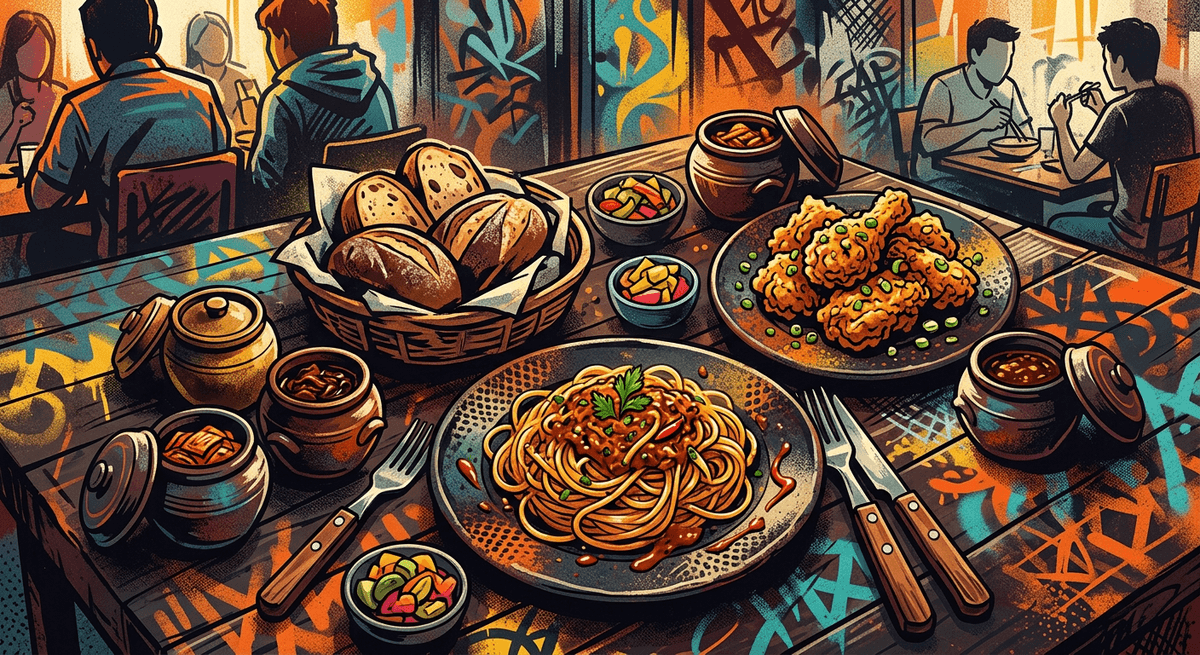
The secret to the best new dishes on your feed isn't a modern gadget—it's the ancient art of Korean fermentation. At the absolute core of eumsik (Korean food) are the complex, deeply savoury, time-tested processes that create staples like soy sauce, bean paste, and kimchi. Now, chefs outside of traditional Korean kitchens are finally catching on, borrowing these centuries-old techniques to build explosive, unexpected flavours in dishes that have no business tasting this good. Here is how the magic of Korean fermentation is taking over the global menu.
- Doenjang caramel: You think you know salted caramel, but adding Korean fermented soybean paste takes it to a wildly complex new level. The deep, earthy umami cuts right through the sugar, creating a dessert topping that is completely addictive and impossibly rich.
- Kimchi-brined fried chicken: Forget buttermilk. Soaking chicken in the fiery, funky, lacto-fermented liquid from a fresh batch of kimchi tenderises the meat while injecting it with a tangy heat that simply cannot be replicated by dry spices.
- Gochujang brown butter pasta: Brown butter and sage is a classic, but whisking in a spoonful of fermented chilli paste transforms the sauce into a glossy, sweet-and-spicy masterpiece. It clings to every single noodle and delivers a warmth that lingers long after the bowl is empty.
- Makgeolli sourdough: Swapping standard starters for the unfiltered, slightly sweet Korean rice wine gives sourdough bread an incredibly soft crumb and a delicate, floral tang. Toast a thick slice of this, and you will never want a standard loaf again.
- Ganjang-cured egg yolks: Traditional Korean soy sauce is darker and more robust than its counterparts, making it the ultimate curing liquid for rich egg yolks. Grated over a bowl of simple steaming rice or a plate of hot pasta, it acts like a golden, savoury parmesan.
The absolute best part of this culinary crossover is that we are only just scratching the surface of what these ancient flavours can do.
Related stories

Inaugural Michelin Guide New Zealand debuts with 110 restaurant selections
The guide's first expansion into Oceania awards star ratings to local establishments, sparking both tourism expectations and industry debates over dining costs.

The massive multi-state egg recall, explained
A safety recall of nearly 1.6 million dozen eggs across six Southern states is raising fresh questions about how our food supply is structured—and what you need to check in your kitchen.

How to Make the Ultimate Copycat McDonald's Double Cheeseburger at Home
While the chain rolls out its latest limited-edition menu items, you can recreate their classic double cheeseburger in your own kitchen.