
House of the Dragon has finally abandoned its slow burn for sheer, brutal velocity
The first two episodes of the third season have delivered more consequence than the entirety of the second. By putting Rhaenyra on the Iron Throne in week two, the prequel has finally found its ruthless stride.
For two seasons, House of the Dragon asked for patience. It was a methodical boardroom drama dressed in Valyrian steel, moving chess pieces with deliberate, sometimes agonising care. The promise was always that the Dance of the Dragons would eventually ignite. As of this weekend, the teasing is officially over. Showrunner Ryan Condal has seemingly decided to cash in every chip at once, turning the opening fortnight of season three into a breakneck exercise in narrative whiplash.
The premiere on June 21 made the shift in velocity immediately clear. Dropping viewers directly into the devastating Battle of the Gullet, the show unceremoniously dispatched Rhaenyra's heir, Jace, alongside his dragon Vermax. It was a brutal, visually spectacular throat-clearing that severed any lingering expectation of a clean or bloodless war. The series had finally stopped threatening violence and started delivering it, stripping away the diplomatic safety nets that previously insulated its core cast.
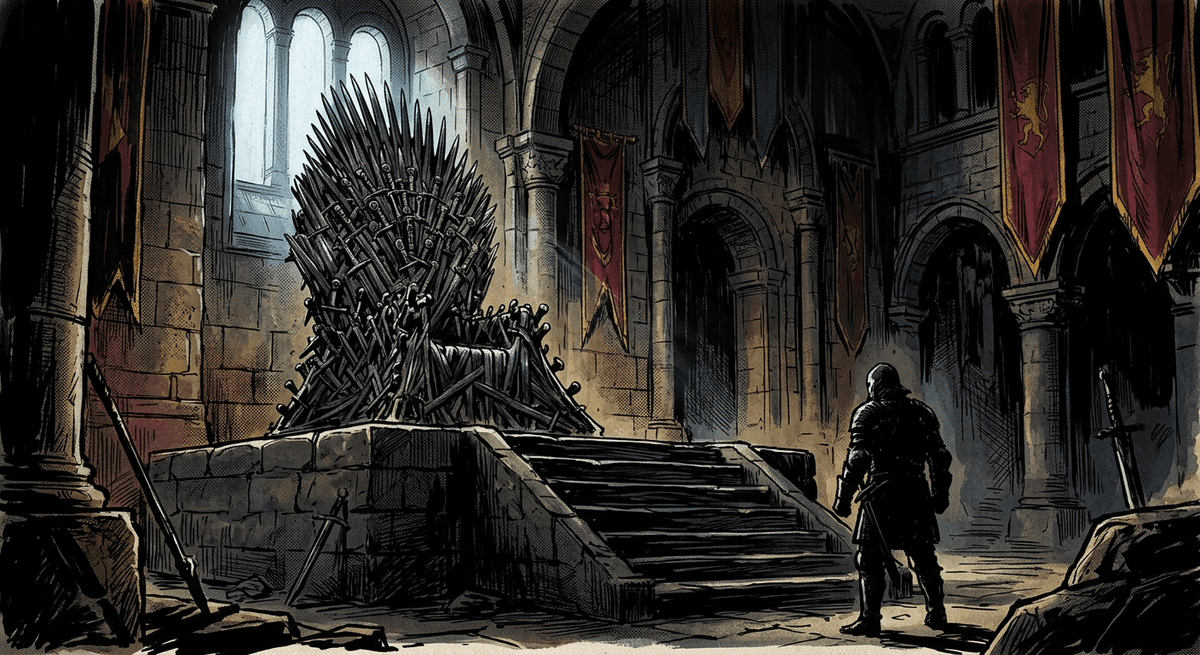
But it was this Sunday's second episode that truly recalibrated the show's engine. A lesser series would have spent an entire eight-episode run building up to the fall of King's Landing. Here, it happens in week two. Queen Rhaenyra's successful taking of the capital and her long-awaited ascension to the Iron Throne feels monumental, entirely upending the status quo before the season has even settled. To punctuate the shift, the blunt execution of Otto Hightower removes the board's most enduring grandmaster, confirming that the era of whispered council meetings is dead.
Knowing that HBO has already ordered a fourth and final season for 2028 recontextualises this sudden acceleration. Condal is no longer stalling to fill an indefinite quota; he is tearing through the source material with the confidence of a creator who knows exactly how much runway he has left. This is the most sure-footed House of the Dragon has ever felt. The political manoeuvring was a necessary prologue, but the show is infinitely more compelling now that the swords are actually drawn.
With six episodes remaining before the August 9 finale, the narrative tension has completely inverted. The question is no longer when Rhaenyra will strike, but how she can possibly hold the seat she has bled so much to claim. By burning through its biggest anticipated milestones in a matter of days, the series has managed to do the one thing a prequel rarely achieves: it has made the immediate future feel genuinely thrilling again.
Related stories

Why the fire has gone out on House of the Dragon
As Season 3 reaches its midway mark, the Westeros prequel is delivering episodes on schedule but failing to command the cultural conversation. The problem isn't the execution—it's the formula.

How House of the Dragon Evolved the Rules of Fantasy Characterisation
By rejecting simplistic moral binaries, the series represents a significant shift in how power, agency, and female characters are depicted in high fantasy.

House of the Dragon's third season is suddenly running out of fire
The HBO prequel returned in June with big dragons and bigger battles. But three weeks in, the gripping character tension that made the first two seasons essential viewing has quietly evaporated.