
Bruno Mars and the quiet dominance of pop's last great traditionalist
The contemporary artist is expected to be vulnerable, constantly online, and endlessly reinventing. Bruno Mars has built an empire by proving how profitable it is to ignore all three.
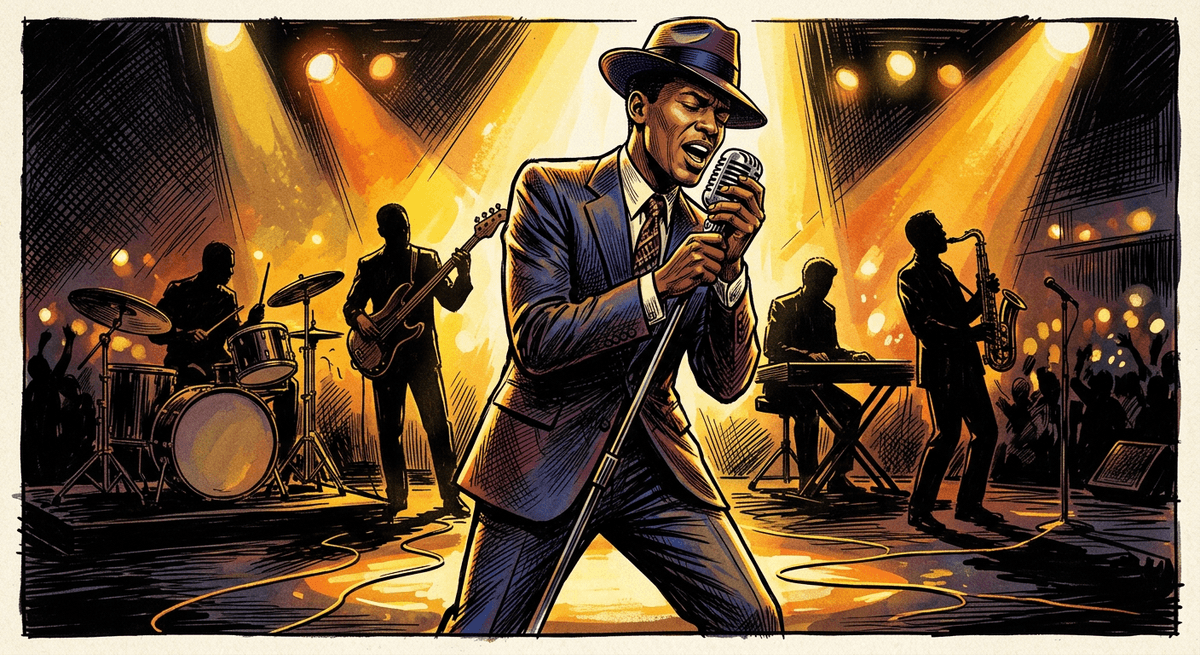
The modern music industry demands a specific kind of exhaustion from its top tier. The standard album rollout requires a narrative of personal growth, the aesthetic demands a radical reinvention, and the artist must maintain an omnipresent, parasocial relationship with their audience. Then there is Bruno Mars. He does not overshare. He does not pivot to experimental electronica to prove his depth. He simply arrives, impeccably dressed, to deliver a masterclass in twentieth-century rhythm and blues, and then vanishes until he is ready to do it again.
To view this approach as mere nostalgia is to misunderstand the architecture of his career. Mars is not a retro novelty act; he is a structural anomaly. While the rest of pop fragments into algorithm-chasing micro-genres and fleeting internet virality, he has claimed the centre ground by executing the fundamentals of funk, soul, and pop with a lethal, almost mechanical precision. He recognised early that while trends fluctuate rapidly, the market for undeniable, high-gloss showmanship is permanent.
The genius of the operation lies in its synthesis. He borrows the tight choreography of seventies soul, the harmonic structures of eighties R&B, and the relentless pacing of a classic revue, stripping away any friction to leave only the hook. It is a highly engineered product, designed to function flawlessly in a Las Vegas residency, a global stadium tour, or a wedding reception. This universality is not an accident. It is the result of rigorous, uncompromising songcraft that prioritises the groove above the ego.
This strategy offers a distinct advantage over his peers, who must constantly fight the gravity of ageing out of the cultural conversation. Other stars chase the latest production styles to stay relevant, or retreat into moody, introspective projects to signal artistic maturity. Mars bypasses this anxiety entirely. By anchoring his sound in eras that have already been canonised, he renders himself immune to looking dated. You cannot age out of a style that was already vintage the day you adopted it.
The result is a career built on absolute, unshakeable bedrock. He does not need to reinvent the wheel because he has perfected the art of spinning it. In an era where popular music is increasingly consumed as a fleeting, fragmented commodity, Bruno Mars offers something distinctly solid: the guarantee of a meticulously rehearsed, flawlessly executed spectacle. He remains the industry's most reliable asset, proving that the most radical move in modern pop might just be mastering the classics.
Related stories

Rosalía’s latest tease is rewriting the rules of live-pop releases
By reviving her chaotic, crowd-tested release strategy during the LUX Tour, the Spanish innovator is preparing a new track that echoes the organic rollout of 'Despechá.'

Bruno Mars tours 'The Romantic' album amid focus on sparse 16-year output
The singer is currently undertaking his first global headline tour in a decade, though his deliberate release schedule continues to restrict his overall artistic volume.

The Rolling Stones and the stubborn genius of refusing to stop
A brand new album and an unexpected slate of collaborations prove the band isn't just surviving—they are rewriting the rules of rock mortality.